

.svg)




I've been overseeding lawns in Central Virginia for over seven years, and I can tell you that this single technique has transformed more struggling lawns than any other service I provide. Last spring alone, I helped over 200 homeowners turn their patchy, thin grass into thick, lush lawns that became the envy of their neighborhoods.
If you're tired of looking at bare spots, thin grass, or a lawn that just doesn't seem to fill in properly, overseeding might be exactly what you need. Let me share everything I've learned about this game-changing lawn care technique.
What Is Overseeding and Why Does It Matter?
Overseeding is the process of planting new grass seed directly into your existing lawn without tearing up the soil or removing the current grass. Think of it as filling in the gaps and thickening what you already have.
Over the years, I've seen lawns decline for many reasons:
- Foot traffic wears down high-use areas.
- Drought stress kills patches of grass.
- Diseases and insects damage sections of your lawn.
- Normal aging causes grass to thin out over time.
Overseeding introduces new, vigorous grass plants into areas where your existing grass has weakened. These new plants fill in bare spots and introduce improved grass varieties that resist diseases better than older turf.
The Science Behind Successful Overseeding
New grass seed needs three things to germinate: consistent moisture, proper soil temperature, and good seed-to-soil contact.
The germination process typically takes 7–21 days. During this period, seeds are vulnerable to drying out or being eaten by birds. It’s not just about throwing seed on the ground; it’s about creating the right conditions for new grass to thrive alongside your existing lawn.
When to Overseed: Timing Is Everything
In Central Virginia, timing can make or break your results:
- Fall (September–October): This is my preferred time. Fall provides warm soil, cooler air, and consistent rainfall. New grass has time to establish before winter.
- Spring (March–April): This can work, but you’re racing against summer heat and spring weeds.
- Summer: I rarely recommend this. Heat and drought make establishment extremely difficult, with the exception of warm-season grasses like Bermuda.
The Overseeding Process: Step by Step
- Assess Your Lawn: Identify why your lawn is thin (shade, drainage, etc.) and address those issues first.
- Choose the Right Seed: Use tall fescue for sun or fine fescue for shade.
- Prepare the Soil: Remove thatch, rake bare areas to loosen soil, and ensure good drainage.
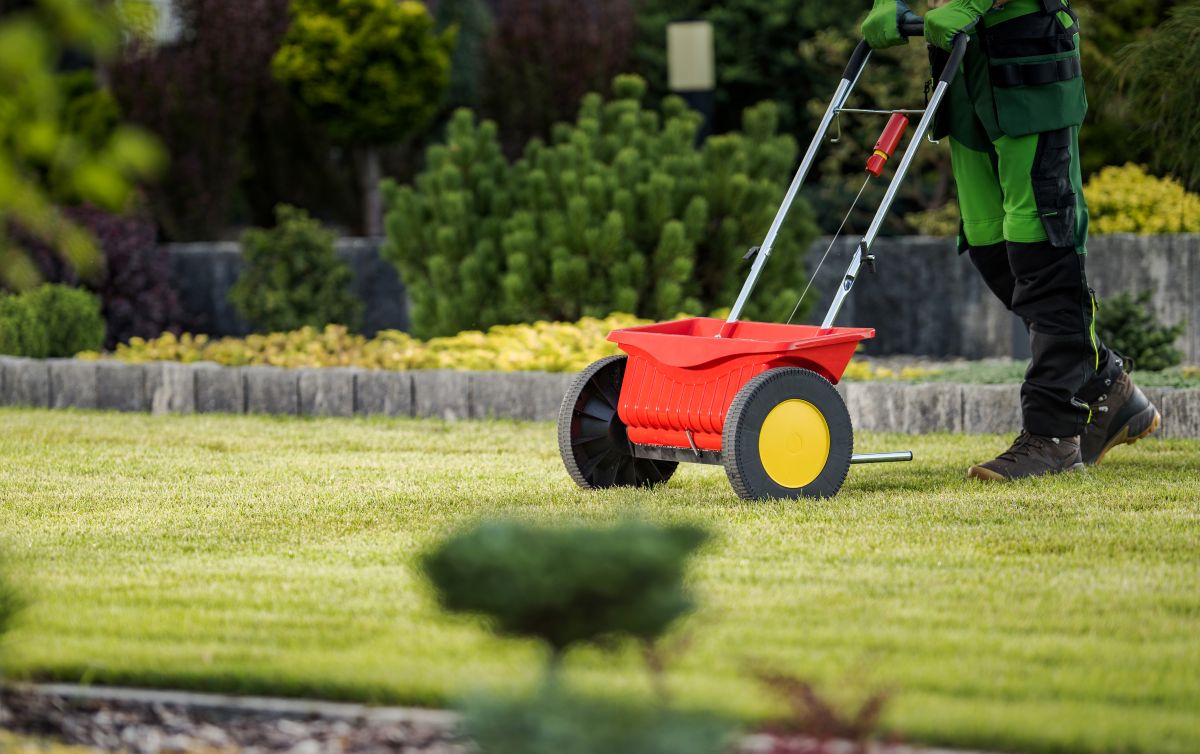
- Apply the Seed: Use a broadcast spreader for even distribution at the correct rate.
- Ensure Good Contact: Lightly rake seeded areas so seeds aren't just sitting on top of the grass.
- Water Management: Keep the soil moist for 2–3 weeks with light, frequent watering (2–3 times daily).
Aeration and Overseeding: The Perfect Combination
Combining core aeration with overseeding produces dramatically better results. Aeration creates small holes that reduce soil compaction and act as perfect "seed beds." I typically aerate first, then overseed immediately while the holes are fresh to improve water infiltration and seed protection.
Common Overseeding Mistakes I See
- Wrong Seed Type: Using sun-loving grass in deep shade.
- Poor Soil Prep: Throwing seed onto compacted soil or thick thatch.
- Inconsistent Watering: Allowing new seed to dry out during the first few weeks.
- Wrong Timing: Seeding during the peak of summer heat.
Post-Overseeding Care
The work doesn't end when the seed is planted:
- Watering: Transition from light/frequent to deep/infrequent as grass emerges.
- First Mowing: Wait until new grass reaches 3–4 inches. Use sharp blades to avoid pulling up seedlings.
- Nutrient Support: Apply a starter amendment at seeding time to help roots establish.
- Traffic Management: Minimize foot traffic for at least 6–8 weeks.
Regional Considerations for Central Virginia
Our local clay soils and variable rainfall require specific care. I've found that September 15 to October 15 is the "sweet spot" for our region. This timing takes advantage of the soil’s warmth while avoiding the brutal summer sun.
Long-term Benefits
- Thicker grass naturally crowds out weeds.
- Improved drought tolerance.
- Enhanced curb appeal and property value.
- Better disease resistance from modern grass varieties.
Ready to transform your thin, patchy lawn into a thick, green paradise? Contact Davidson Landscaping today for a free consultation. We'll assess your lawn's specific needs and create a customized plan that delivers the results you want.
Frequently Asked Questions
How long does it take to see results?
You’ll see sprouts in 7–21 days, and a significant increase in density within 6–8 weeks.
What's the difference between overseeding and aeration/overseeding?
Overseeding is just adding seed. Aeration and overseeding involves pulling soil cores first to provide the best possible environment for those seeds to grow.






.svg)